Marisha Rasi-Koskinen’s Caesura wins the Tähtivaeltaja Prize

The writer’s eighth novel is a psychologically perceptive observation on the soul life of robots and humans.

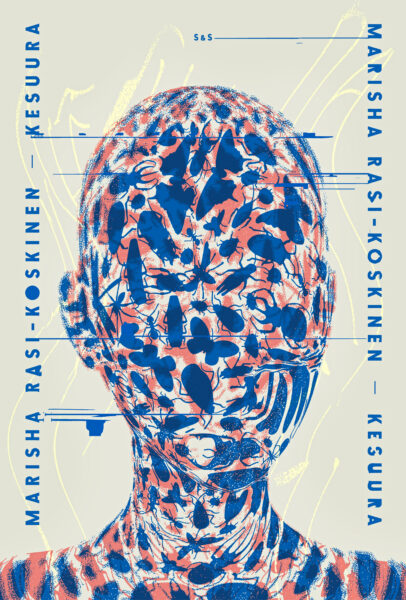
Author Marisha Rasi-Koskinen has been awarded the Tähtivaeltaja Prize for her most recent novel, Caesura. The prize has been given yearly for the last 40 years, to a work of fiction that bends and expands the definition of sci-fi and speculative literature. It is also unique in Finland, in that both original and translated novels published in Finland during the year compete for the prize. Previous winners include Kazuo Ishiguro, Margaret Atwood, Lauren Beukes, and Cormac McCarthy, among others.

Known for her eerie, mind-boggling, Lynchian fiction, Rasi-Koskinen was praised by the jury for “an extraordinary feat of power that sheds light on the formation of a thinking mind” and its uncompromising nature, showing “how humans create another being in their own image, but then refuse to recognize their similarity”. (See full jury statement below.)

Caesura is Rasi-Koskinen’s eighth novel; her previous adult novel REC was hailed as a structural, stylistic and narrative phenomenon, and won the prestigious Runeberg Prize, as well as the Torch-Bearer Prize, given yearly to a title considered to have the most potential to succeed outside Finland. As the Tähtivaeltaja jury rightly summed it up: Rasi-Koskinen’s works are “of world-class quality, and would immediately earn a place on the lists of international awards.”

In her speech, Rasi-Koskinen emphasised that, to her, “speculative fiction hasn’t been so much a genre as a way to live in this world. (…) This manifests itself in two lifelong attempts: an attempt to search for and question the structures behind phenomena that seem self-evident to us; and an attempt to show courage and look for alternatives.”

Rasi-Koskinen’s works have been previously sold to France, Denmark, Hungary and Lithuania.

FULL JURY STATEMENT

Marisha Rasi-Koskinen’s eighth novel, Caesura, is an extraordinary feat of power that sheds light on the formation of a thinking mind. It mirrors human consciousness and the information processing of artificially constructed brains. Psychologically perceptive, even crude in its uncompromising nature, this work shows how humans create another being in their own image, but then refuse to recognize their similarity.

[In the novel, it is near future], and we have learned to build human-like androids, which are trained to perform various maintenance and care tasks. Initially childlike, the artificial beings are shaped and develop organically, through what they learn and experience. Biological growth is imitated by insect-like transformations from one growth stage to another.

The main character, an android named QED, is passionately seeking connection with the world and other species, but finds it difficult to identify with human beings. Through the mutual reflections of QED and his android siblings, we are led as if by stealth into the dilemmas of epistemology: what can be known and how can one know that one does not know.

The story, which skillfully moves through several time levels, unfolds gradually, dispensing information and surprising twists at just the right pace. The sharp difference in the agency and innate value of humans and androids echoes the gap in the modern world between humans and other species of animals. Instead of being moralised, the reader follows a chilling observation of what kind of boundaries are erected between different sentient beings, and how difficult it is to tear them down.

Androids are at the same time fascinatingly alien in their biology, but shockingly relatable in their psychology. Ethical and moral reflections on the mental processes of artificial intelligences could not be more timely.

Much has been written about the soul life of robots in recent decades, but Caesura offers a rare fresh perspective on the ingredients of consciousness and how circumstances shape it. A work that dives straight into the depths is of world-class quality, and would immediately earn a place on the lists of international sci-fi awards.
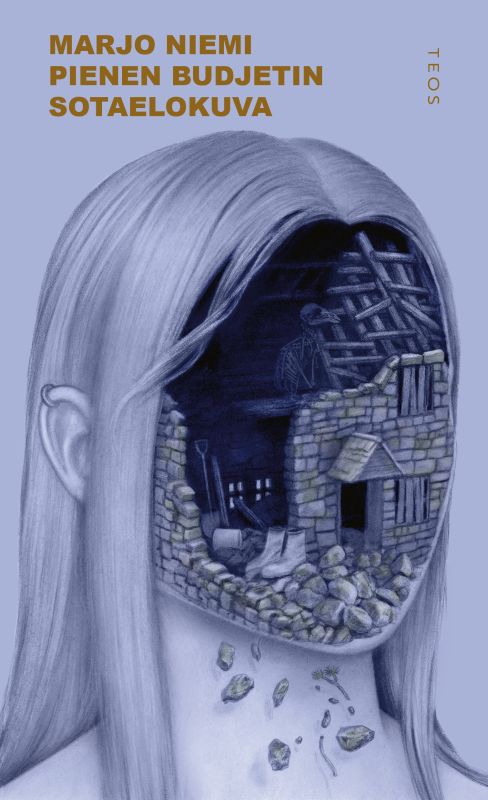
Italian rights deal for A Low-Budget War Film by Marjo Niemi

A Low-Budget War Film by Marjo Niemi is travelling to Italy, where it will be published by Cue Press

A Low-Budget War Film (Pienen budjetin sotaelokuva, Teos 2025)

Finlandia nominee A Low-Budget War Film by award-winning author Marjo Niemi is starting its journey out into the world: Cue Press has secured the Italian rights, marking the first foreign rights deal for this title.

A Low-Budget War Film follows a highly educated city-dweller as she heads back to her run-down, post-industrial hometown after her father’s death, and finds herself an outsider: she no longer belongs to the place she grew up in, but she doesn’t feel at home in the new social setting she lives in, either. Stuck in between social classes, and torn by social tensions, the narrator finds that it’s surprisingly hard to find a place in the world even in the country of equal opportunities.

A Low-Budget War Film is not the kind of working-class novel where the spirit of the united grows into a collective force. Instead, it shows with a generous dose of dark humor how class identity is fragmented into individual pursuits, and the shame is inherited through generations. The novel was nominated for the Finlandia Prize, the largest and most prestigious in the country, in 2025.

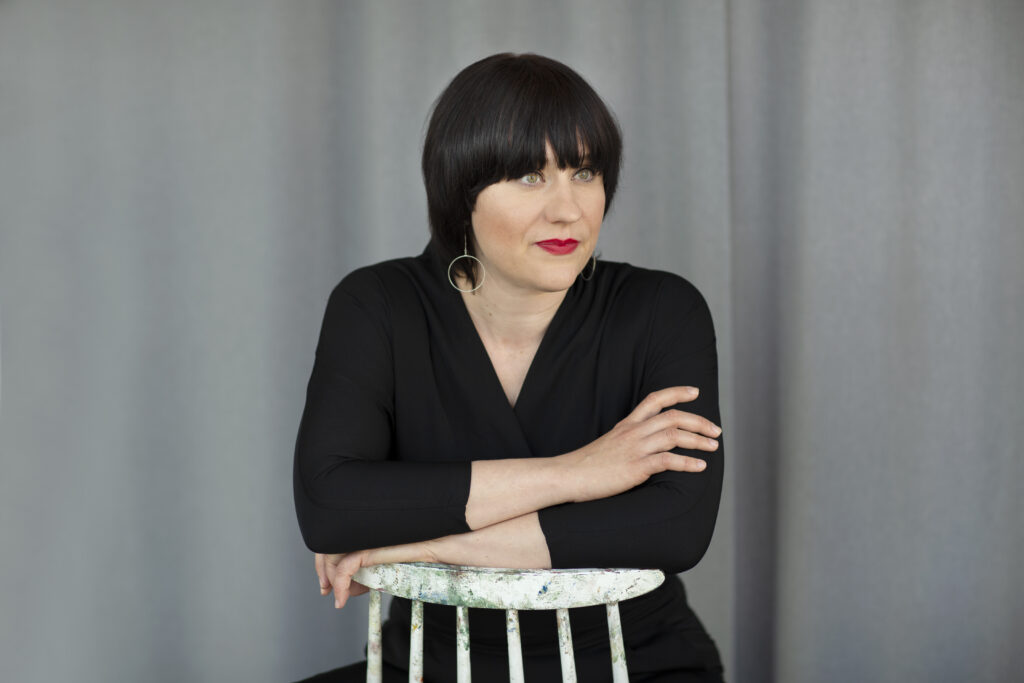
Author Marjo Niemi

Marjo Niemi is an award-winning author and playwright. Mother of All Losses (2017) won the Runeberg Prize and Hearing (2021) was nominated for the Finlandia Prize. A Low-Budget War Film is her sixth novel, published in Finland by Teos.

Cue Press is an independent publishing house based in Imola, northern Italy, and specialised in theatre plays and the works of playwrights. Their list includes an ambitious selection of Italian and international fiction and plays. They notably were the Italian publisher of Jon Fosse before his Nobel Prize win.

Warmest greetings to the author and the publishers, and don’t miss out on this title!

Ellen Strömberg attends the Démadé Festival in Italy

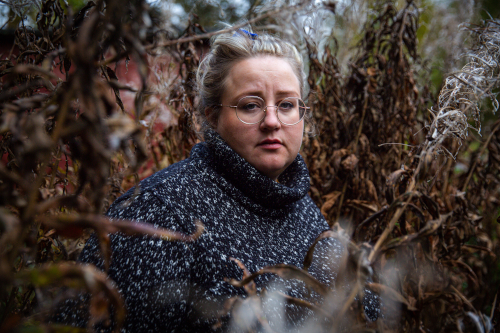
Author Ellen Strömberg

Author Ellen Strömberg continues to charm Italian readers: she is attending the Démadé Festival in Livorno, Italy, where she will be interviewed by her translator Samanta Milton Knowles.

Ellen Strömberg’s August Prize winning novel We’ll Just Ride Past has been a success in Italy, where the book is out with Terre di Mezzo: the book was shortlisted for the prestigious Andersen Prize, and nominated for the Mare di Libri Prize.

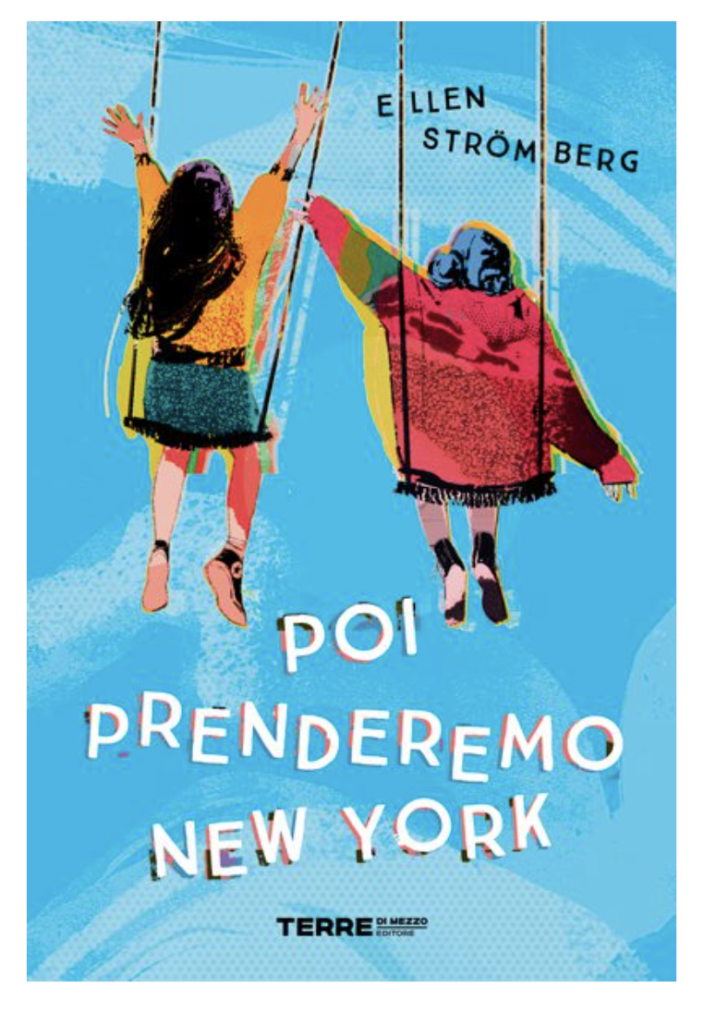
We’ll Just Ride Past in its Italian edition

We’ll Just Ride Past follows Manda and Malin, a duo of best friends in ninth grade. They are nicknamed The Bicycles as they cycle everywhere looking for fun and something to do in a small town where nothing ever happens. One day Malin develops a crush on a guy working at the local pizzeria, and a series on events – both fun and not so fun – begins to unfold. We’ll Just Ride Past is an accurate portrayal of a moment in life where it’s perfectly normal to change style and music taste every week and the world awaits.

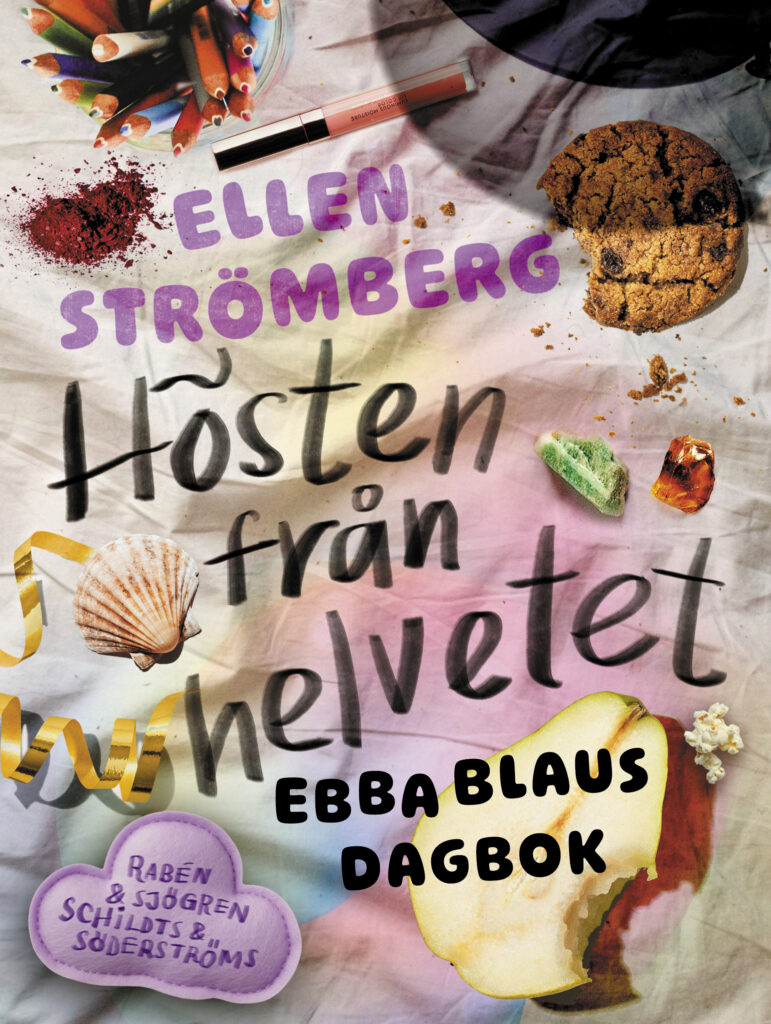
This Is Literally Hell (Hösten från helvetet, S&S 2026)

Ellen Strömberg’s latest novel, This Is Literally Hell, has been receiving glowing reviews and catching the eye of critics and editors across multiple territories. This Is Literally Hell follows Ebba Blau, who is 12, almost 13, and has one school year to become cool before she has to leave her hometown as she and Mom are set to move away to live with Mom’s boyfriend. Ebba has decided she will have a movie-worthy makeover: she’ll become cooler, more popular, more stylish, master a morning routine, and get her first boyfriend while she still can. She sets out to become friends with the popular girls and get together with Romeo, the best-looking boy at art school, but how will bubbly, chatty, and awkward Ebba manage, given her tendency to embarrass herself and get drawn into white lies that grow bigger and bigger? This Is Literally Hell is Ebba’s diary, and it brims with drama, embarrassing stuff, and big feelings – but also a longing for friendship, love, and new beginnings.

Stay tuned!